

The LED Screen Boom: How They’re Transforming Cities Worldwide
- Sep 15, 2025
- 2 min read
Updated: Sep 22, 2025

According to Statista, the global LED screen market is projected to surpass $23 billion by 2030, largely driven by the demand for impactful visual experiences in public spaces. A strong example is Shenzhen’s Futian District in China, which recently unveiled more than 1,500 square meters of LED displays dedicated to cultural messages, real-time news, and artistic visuals.
But the impact of LED technology goes far beyond advertising. These digital signage solutions are reshaping the way cities, businesses, and institutions communicate. From airports that guide millions of passengers with dynamic wayfinding, to hotels that welcome guests with personalized content, LED screens are at the heart of a new era of immersive communication.
Iconic Cities Leading the LED Revolution
[Insert image/icon: New York City skyline with Times Square] New York: Times Square is the world’s most famous showcase of LED advertising, where brands compete for visibility in one of the busiest intersections on Earth.
[Insert image/icon: Dubai cityscape with Burj Khalifa] Dubai: Known for its futuristic architecture, Dubai integrates massive LED screens across malls, airports, and skyscrapers, turning the city into a living digital canvas.
[Insert image/icon: London at night with Piccadilly Circus] London: At Piccadilly Circus, LED billboards have become part of the city’s cultural identity, blending heritage with cutting-edge digital displays.
[Insert image/icon: Shanghai skyline at night] Shanghai: The Bund and Pudong districts use LED technology not just for advertising, but also for spectacular light shows that highlight the city’s modern image.
[Insert image/icon: Shenzhen Futian District with LED walls] Shenzhen: A pioneer in LED manufacturing, Shenzhen deploys giant digital screens for news, culture, and art, making the city itself a hub of audiovisual innovation.

Why LED Screens Are Becoming Essential
High impact communication: Unlike traditional billboards, LED screens capture attention instantly thanks to vibrant colors, animations, and real-time updates.
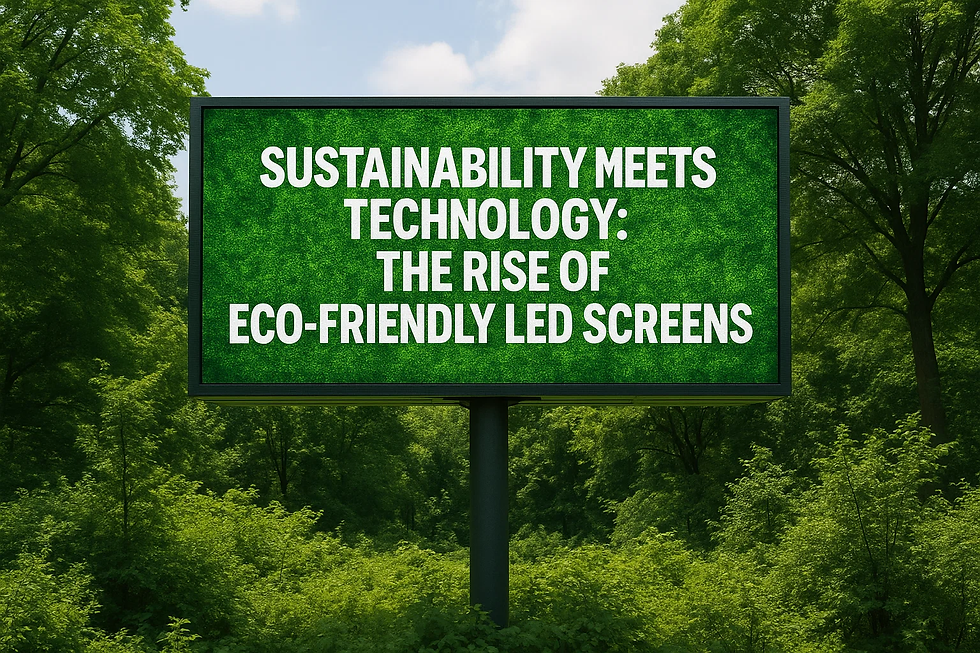
Energy efficiency: Their low consumption and long lifespan make them a sustainable solution for urban and corporate environments.
Flexibility: Content can be updated remotely, allowing for immediate responses to events, promotions, or emergencies.
Brand positioning: For companies, installing LED solutions is not just about visibility—it’s about creating memorable experiences that build stronger connections with their audiences.
LED Screens and the Future of Smart Cities
As smart cities continue to develop, LED technology is becoming a critical piece of the infrastructure. Municipalities and organizations are using large-scale video walls and outdoor LED displays to share real-time information, promote local culture, and even integrate interactive features for citizens and tourists.
This trend is also reshaping the private sector. Retail chains, entertainment venues, and corporate buildings are adopting LED display solutions to create digital environments that stand out in competitive markets.


Comments