When it comes to creating a powerful visual impact, choosing the right type of LED display is crucial. For some businesses, indoor displays set the tone for customer experience and brand identity. For others, outdoor signage captures attention from afar and drives traffic inside.
But how do you decide which option is right for your space, budget and communication goals? This guide explores the key differences between indoor and outdoor LED displays, from brightness and durability to content strategy and ROI, to help you make an informed decision that aligns with your business objectives.
Key takeaways
- Indoor and outdoor LED displays serve different strategic purposes.
- Outdoor displays maximize reach and visibility; indoor displays enhance experience and interaction.
- The right choice depends on environment, audience and long-term marketing goals.
- Businesses can integrate both into a unified, high-impact communication ecosystem.
The Core Difference: Environment and Purpose
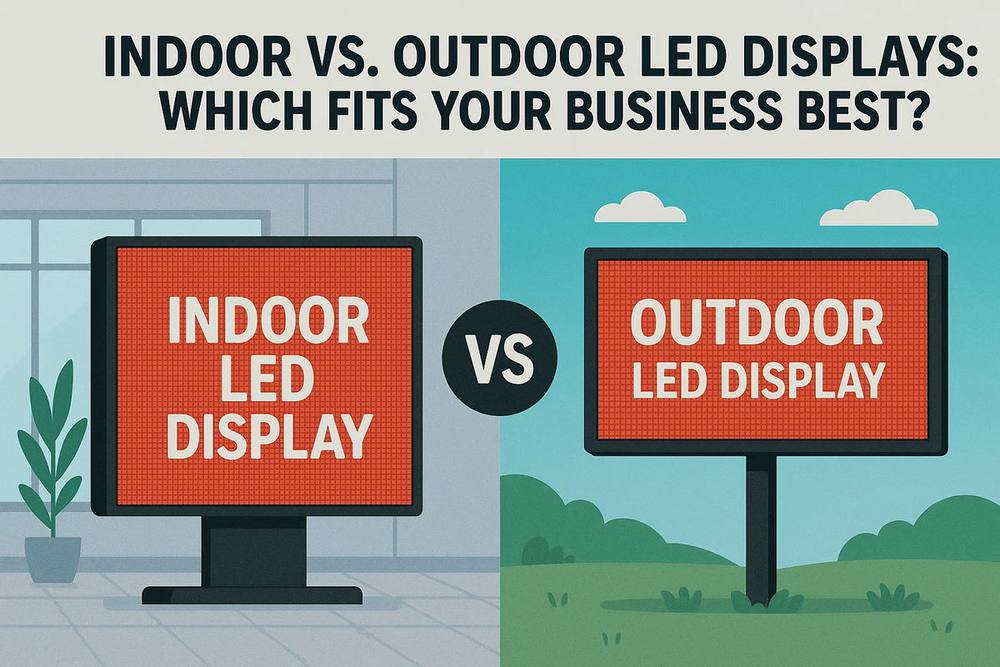
The main distinction lies in how and where the display is used. Outdoor LED displays are built for visibility and endurance. They face sunlight, rain and changing temperatures, and must stay bright and clear in all conditions. Indoor LED displays, on the other hand, focus on clarity, aesthetics and proximity. They are designed for controlled environments where detail and color accuracy matter most.
Understanding the environment helps determine not only the type of hardware but also the creative approach to content.
Comparing Technical Features
| Feature | Indoor LED displays | Outdoor LED displays |
|---|---|---|
| Brightness | 800–1,200 nits | 4,000–10,000 nits |
| Pixel pitch | Tighter (1.2–2.5mm) for close viewing | Wider (3–10mm) for long-distance visibility |
| Durability | Designed for climate-controlled spaces | Weatherproof and UV-resistant |
| Energy use | Lower energy consumption | Higher brightness = more energy use |
| Installation | Lightweight and flexible | Requires a strong structure and maintenance access |
Use Cases: Where Each One Excels
Indoor LED displays
- Hotel lobbies and receptions
- Retail showrooms and flagship stores
- Conference centers and airports
- Restaurants and entertainment venues
Outdoor LED displays
- Building façades and billboards
- Stadiums and event arenas
- Street advertising and wayfinding
- Drive-thru menus and public information systems
Each display type plays a different but complementary role in shaping customer experience and brand visibility.
ROI and Marketing Strategy
Investing in the right display is not only a visual decision but a strategic one.
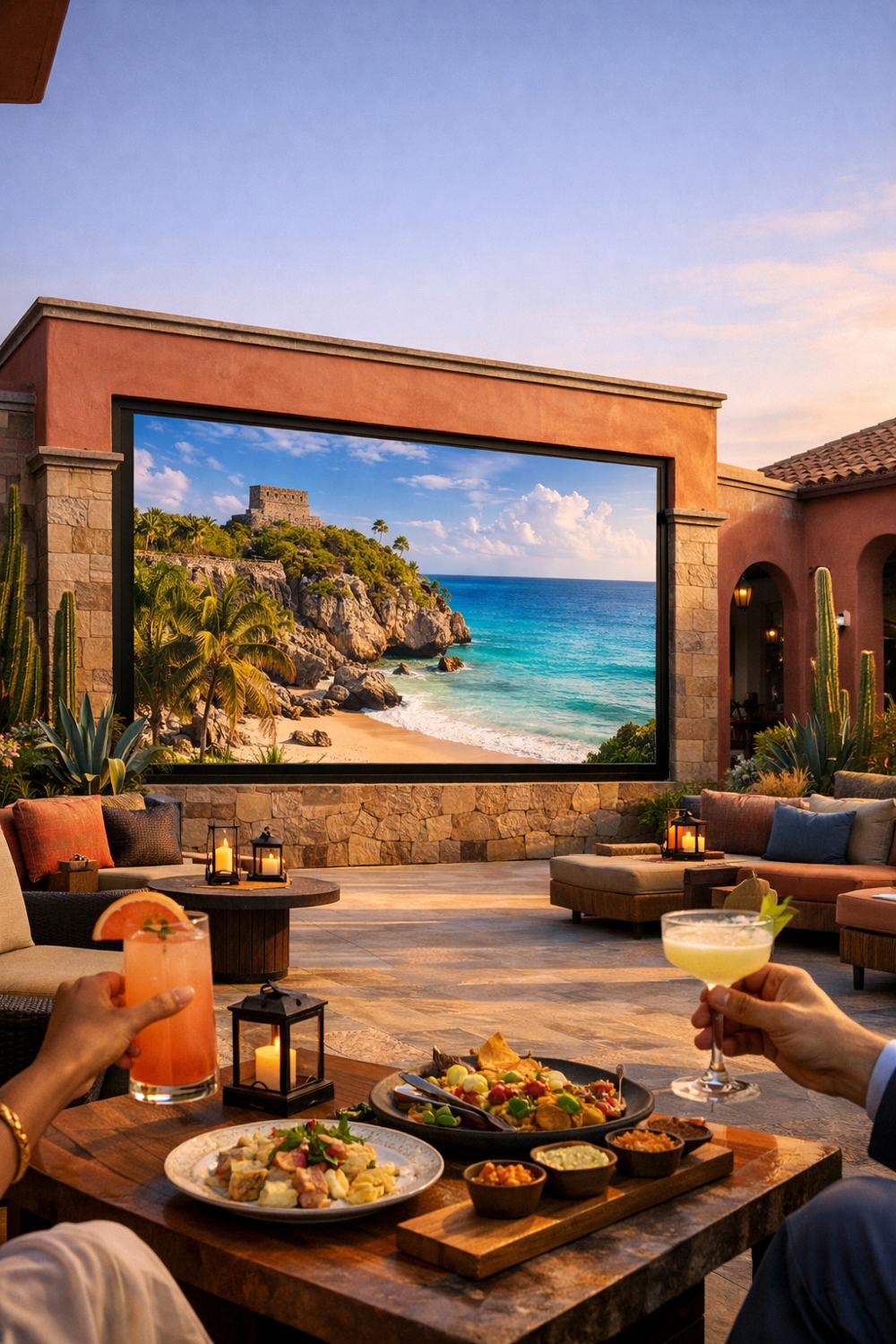
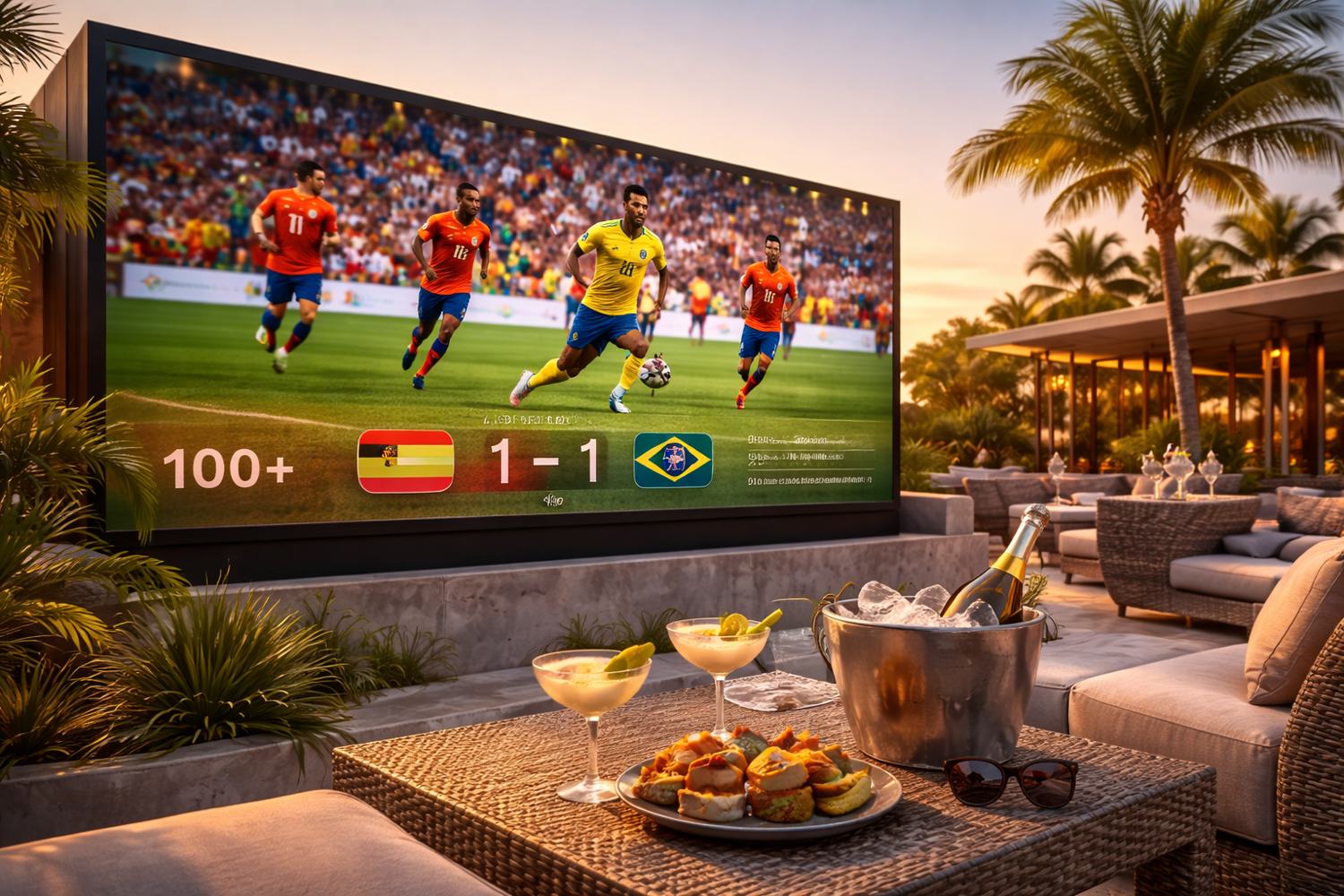
- Outdoor ROI: best for reach and awareness. Outdoor LEDs attract new audiences and reinforce brand presence in high-traffic areas.
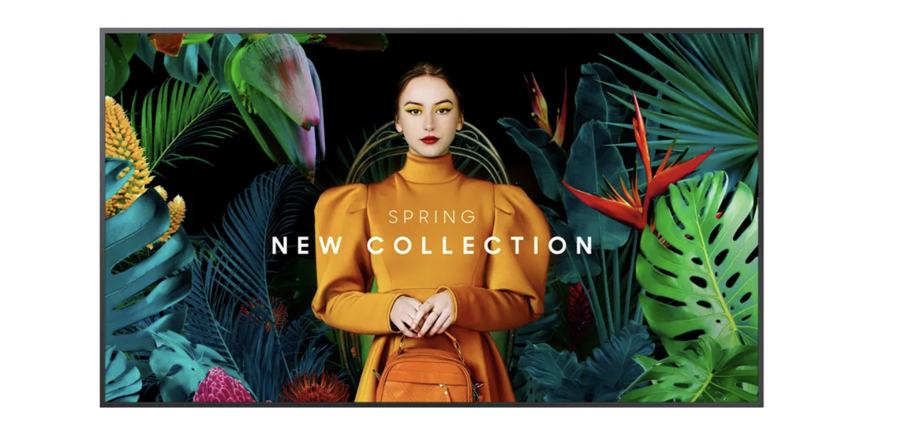
- Indoor ROI: best for retention and engagement. Indoor LEDs strengthen customer trust and influence decisions at the point of contact.
Forward-thinking companies now combine both, using outdoor LEDs to attract and indoor displays to convert. Together, they create a complete communication journey from discovery to decision.
Frequently asked questions
What's the lifespan of LED displays?
Both indoor and outdoor displays typically last between 80,000 and 100,000 hours, depending on use and maintenance.
Can outdoor screens be used indoors?
Technically yes, but it's not efficient. Outdoor screens are brighter and use more power, which is more than indoor lighting conditions need.
Which is more cost-effective?
Indoor displays have lower upfront costs, but outdoor displays often deliver a higher visibility ROI thanks to their reach and exposure.
At Logical Signage we specialize in custom LED solutions tailored to your space, audience and goals. Whether you need sleek indoor visuals or high-impact outdoor billboards, our technology and design expertise make sure your message shines everywhere.
Let's design a solution that fits. Contact us today to find out which display will elevate your brand experience.