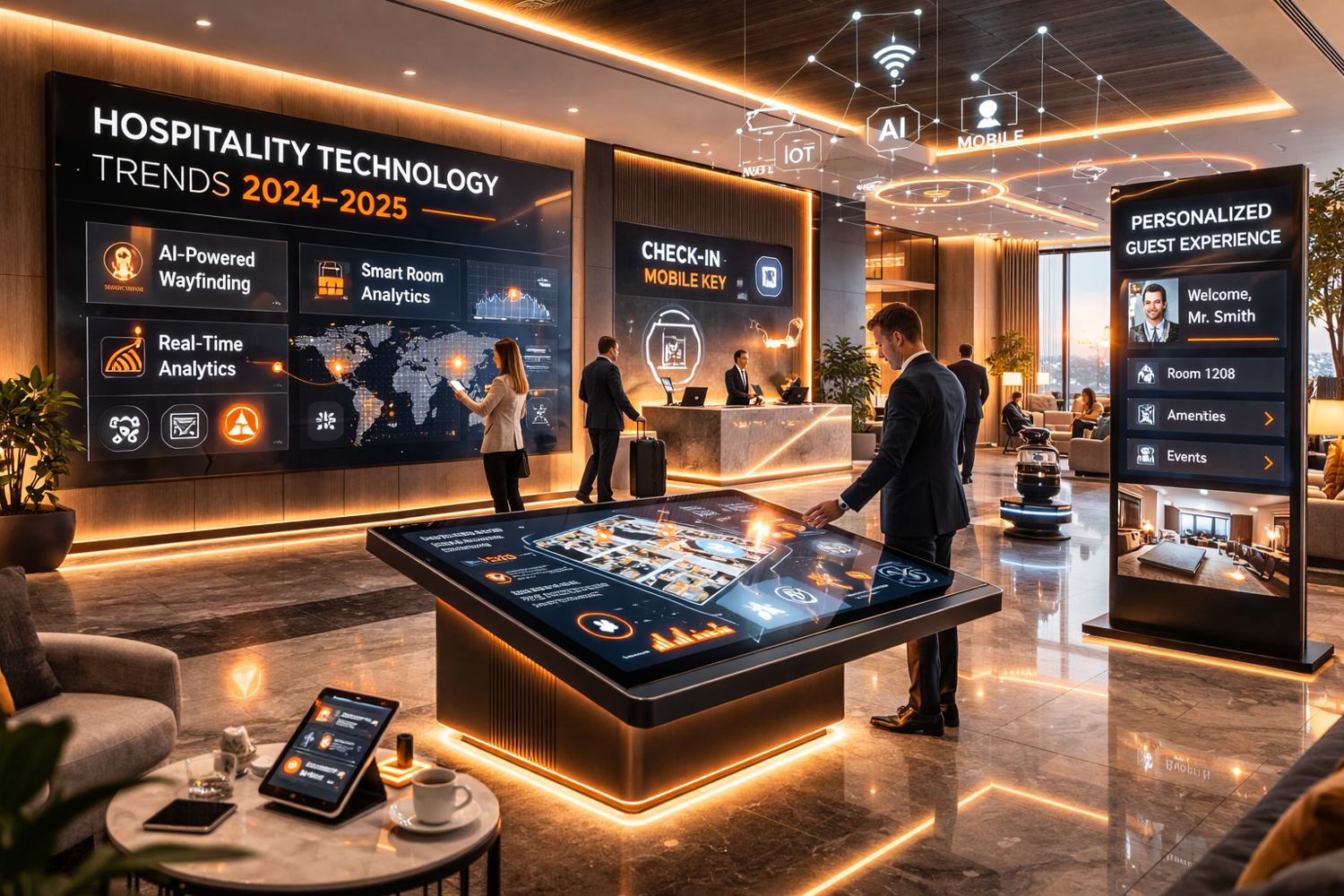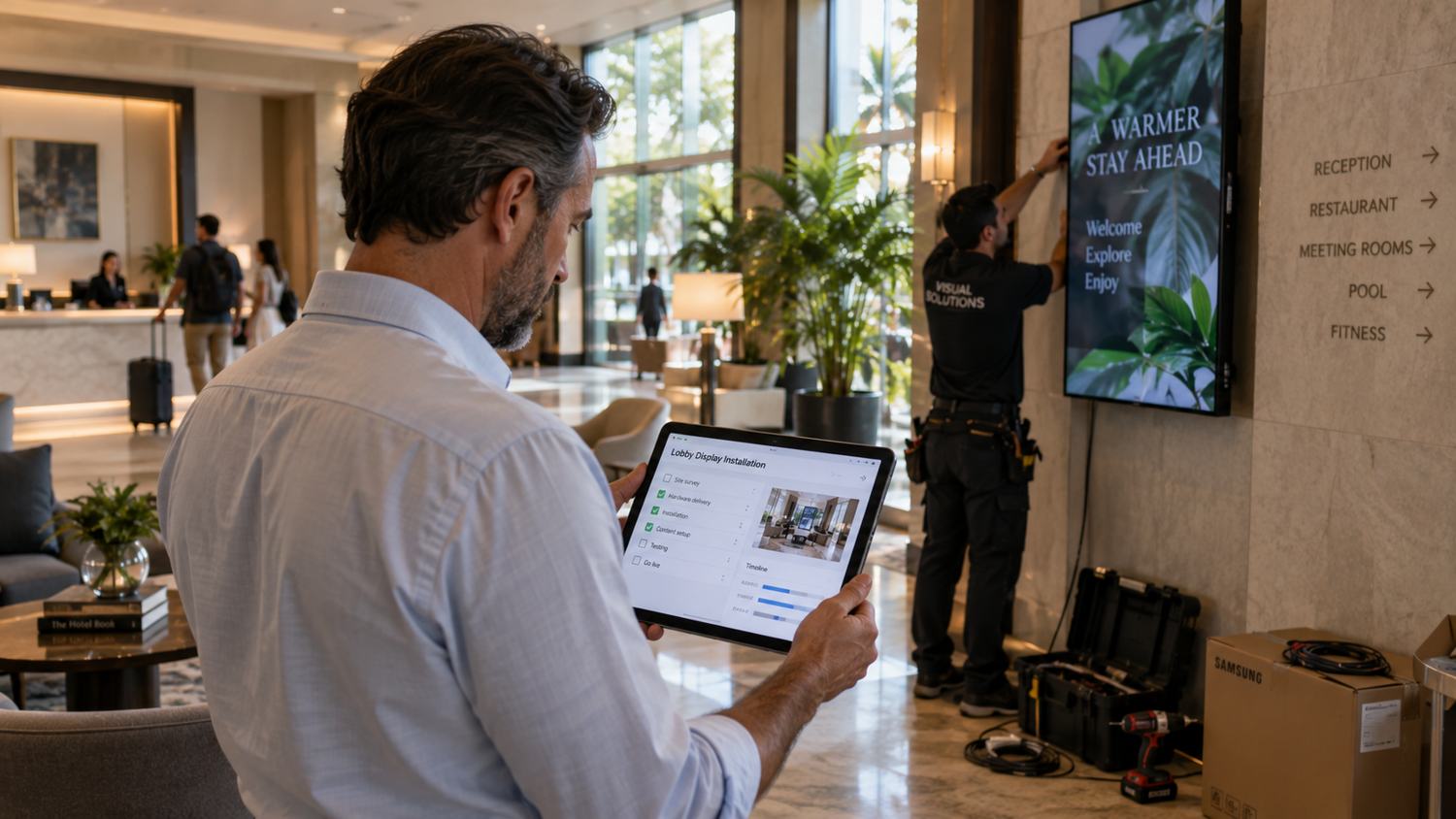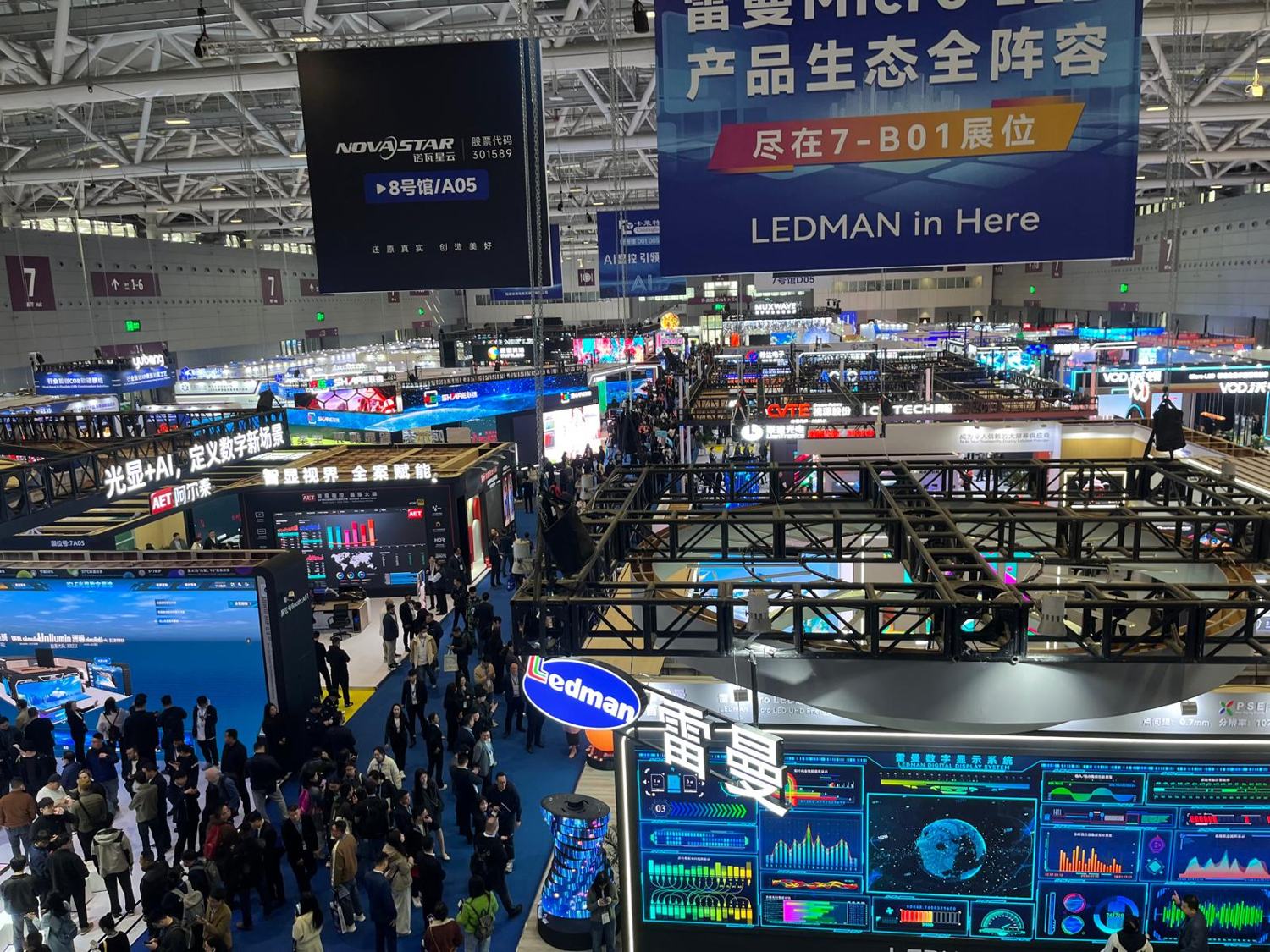

We live in an age where audiences expect more than information: they expect interaction. Static screens may inform, but interactive displays invite participation, creating a two-way dialogue between brand and customer.
In hotels, retail stores, airports and corporate spaces, interactive signage has become a key tool for engagement. It turns simple displays into intelligent systems that respond to touch, gesture or movement, transforming every screen into an experience.
This shift is redefining how people connect with spaces, products and brands.
Key takeaways
- Interactive signage turns passive viewing into active participation.
- Touch and motion technologies increase engagement and dwell time.
- Personalized content builds stronger emotional and behavioral connections.
- Businesses using interactive displays report higher satisfaction and brand recall.
From Display to Experience: The Rise of Interactive Signage
Traditional digital signage broadcasts a message; interactive signage starts a conversation. Using sensors, motion cameras and touch technology, it lets users explore information, browse products or navigate content intuitively.
For hotels, this might mean a digital concierge that helps guests find amenities. For retailers, it could be a product catalog or a fitting-room mirror with dynamic content. For event spaces, it becomes an interactive map or wayfinding system that improves efficiency and delights visitors.
The result: engagement that feels natural, modern and personal.
The Technologies Behind Interactive Displays
| Technology | Function | Example use |
|---|---|---|
| Touchscreens | Respond to direct user input | Interactive menus, directories, catalogs |
| Motion sensors | Detect gestures and movement | Wayfinding, immersive installations |
| RFID/NFC integration | Personalized data recognition | Loyalty programs, attendee tracking |
| Augmented reality (AR) | Layer digital visuals over reality | Product try-ons, educational displays |
| AI-driven content | Adapts visuals to audience behavior | Personalized promotions, recommendations |
These technologies enable experiences that evolve in real time, increasing relevance and engagement while collecting valuable interaction data.
Why Interactive Signage Works
1. Higher engagement rates
Touch and motion displays hold attention for longer. Studies show up to 5x more dwell time compared to non-interactive screens.
2. Personalized user journeys
Each interaction gives users control over what they see, creating a sense of ownership and relevance.
3. Data-driven insights
Every interaction generates data that helps businesses refine their content strategy and understand their audience better.
4. Memorable experiences
By blending storytelling, technology and sensory input, interactive signage turns ordinary spaces into memorable brand encounters.
5. Conversion and satisfaction
Users who engage with interactive displays are more likely to convert, come back and recommend, which are key drivers of growth in both B2B and B2C environments.
Use Cases Across Industries
Hospitality
Interactive concierge kiosks, multilingual wayfinding and real-time event directories give guests more independence and satisfaction.
Retail
Touch-based lookbooks, smart mirrors and dynamic product recommendations increase conversion and time spent in store.
Corporate and education
Interactive walls and training screens boost collaboration, innovation and employee engagement.
Events and entertainment
Immersive installations and AR-driven experiences take brand activations and participation to another level.
Frequently asked questions
Is interactive signage only for large businesses?
No. Interactive solutions are scalable, from a single touch kiosk to full video walls, so they are accessible to businesses of any size.
Do interactive screens require internet access?
Most systems can run offline with scheduled content, although connectivity improves data tracking and remote management.
Can interactive signage integrate with existing systems?
Yes. Modern signage software integrates with CRMs, booking systems and APIs for seamless communication and automation.
Interactive signage is more than a display. It is a bridge between people and technology. At Logical Signage we combine design, software and hardware to build immersive, responsive and scalable solutions that raise engagement in every industry.
If your brand is ready to move from display to experience, contact us today and let's bring interaction to life.