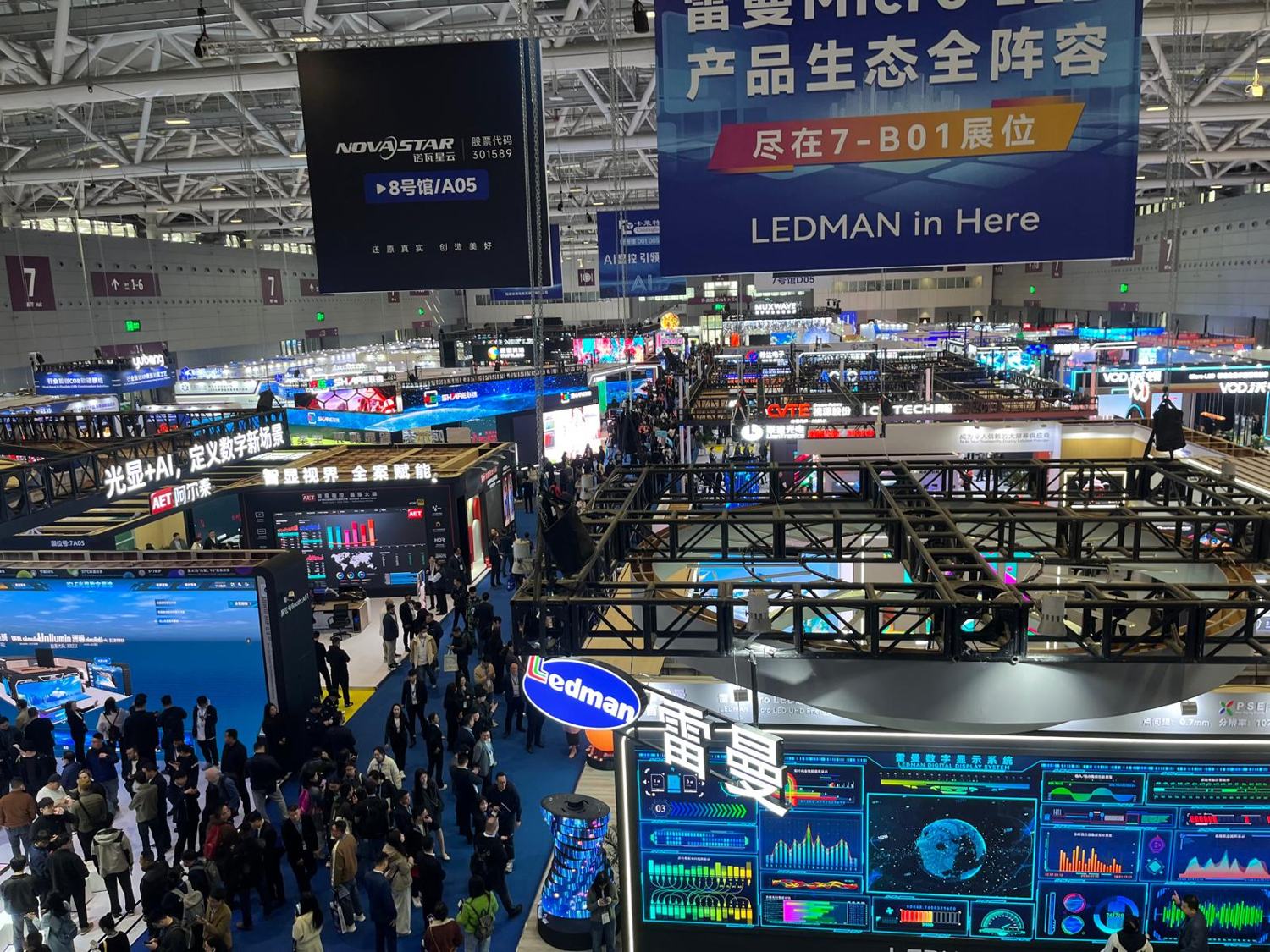

Digital signage has become an essential tool for businesses to communicate effectively and enhance customer experiences. Its importance keeps growing, driven by technological advances and wide adoption across industries. This article introduces the topics we cover in this blog: current trends, benefits, success stories, practical implementation tips and strategies for overcoming the most common challenges of digital signage.
What is digital signage?

Digital signage is a dynamic form of visual communication that uses electronic displays to show digital content such as advertisements, product information, promotions and more. This content can be updated easily in real time and tailored to the specific needs of each business. The types of digital signage are diverse, from LED screens and video walls to interactive kiosks and digital totems, enabling a wide range of uses, from in-store advertising to information displays in airports or restaurant menus.
Key features
Digital signage offers several key features that set it apart from traditional static signage, including real-time content updates, interactivity and personalization.
Versatility
With uses across many industries, digital signage can be tailored to any business's specific communication and marketing needs.
Dynamic visuals
Digital signage allows for dynamic, engaging visuals that capture customers' attention and enhance their overall experience.
Current trends in digital signage

As technology evolves, digital signage keeps pace with exciting new trends that are redefining how businesses communicate with customers. These are some of the most notable trends shaping the industry today:
AI integration
Artificial intelligence is being integrated into digital signage solutions, enabling content personalization based on customer profiles and behavior and improving the user experience.
Augmented reality
Augmented reality creates interactive displays that let customers engage with the brand in a more dynamic and entertaining way.
Remote management
Digital signage solutions are increasingly easy to manage remotely, allowing quick, efficient updates and content changes from anywhere.
Interactivity
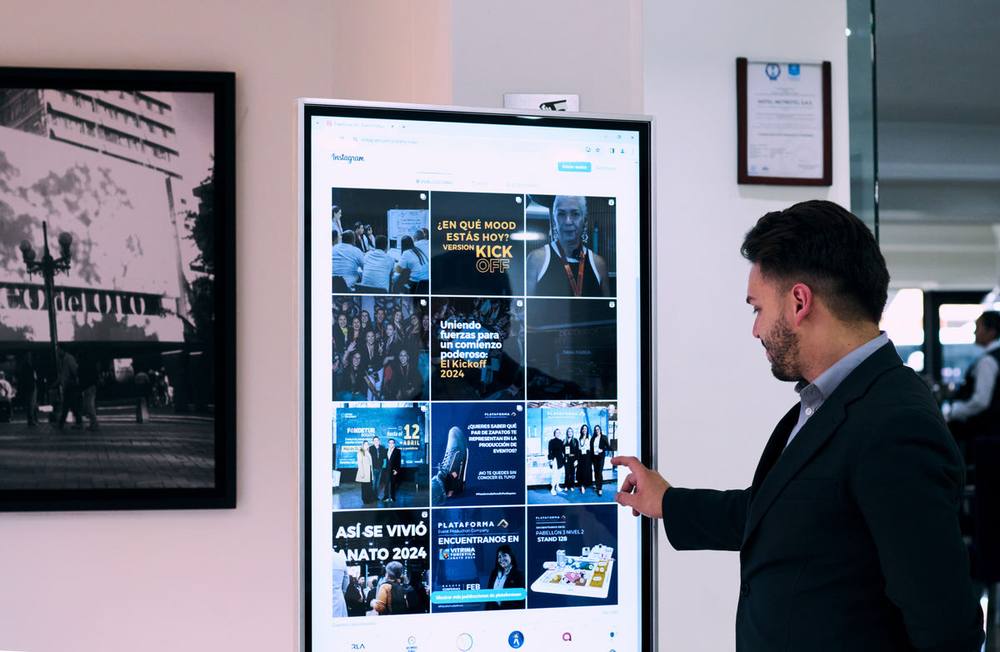
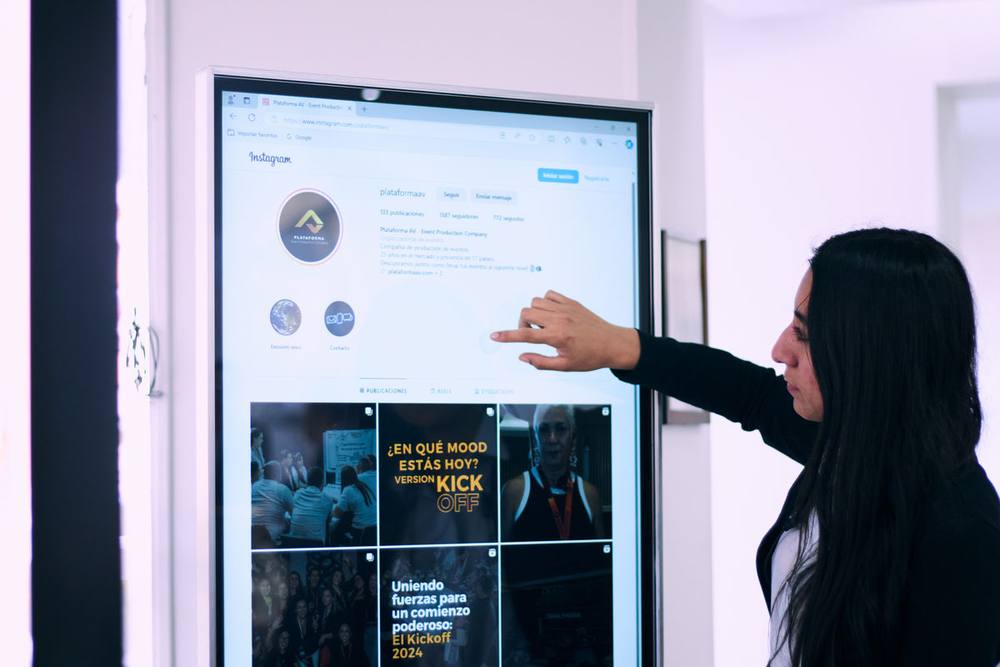
Interactive displays are becoming more common, letting customers engage with content through touch, gestures or voice commands for a more immersive experience.
Benefits of digital signage for businesses
Digital signage offers many advantages for businesses, making it an invaluable tool for enhancing customer experiences, increasing brand visibility and supporting effective communication.
Customer experience
Through attractive, relevant content, digital signage captures customers' attention and improves their overall experience in the business. This can lead to higher customer satisfaction, engagement and loyalty.
Brand visibility
Digital displays provide a consistent, attractive platform for brand messages, reinforcing brand identity and keeping customers constantly exposed to the company's branding and messaging.
Interaction and engagement
Interactive displays invite customers to engage with the brand through surveys, games or detailed product information, building a deeper connection and creating memorable experiences.
Real-time communication
One of the biggest advantages of digital signage is real-time communication with customers. Unlike static signage, digital displays can be updated instantly, so businesses can react quickly to changing circumstances or share important information on time.
1. Monitor
Businesses can monitor different data sources, such as sales figures, inventory levels or customer feedback, to identify opportunities for targeted messages.
2. Update
With a few clicks, businesses can update their digital signage content so customers always receive the most current, relevant information.
3. Communicate
The updated content appears instantly on the digital signage screens, allowing timely communication of promotions, announcements or other important information.
Success stories by industry
Businesses in many sectors have implemented digital signage successfully, showing its versatility and effectiveness in enhancing customer experiences, increasing sales and improving operational efficiency.

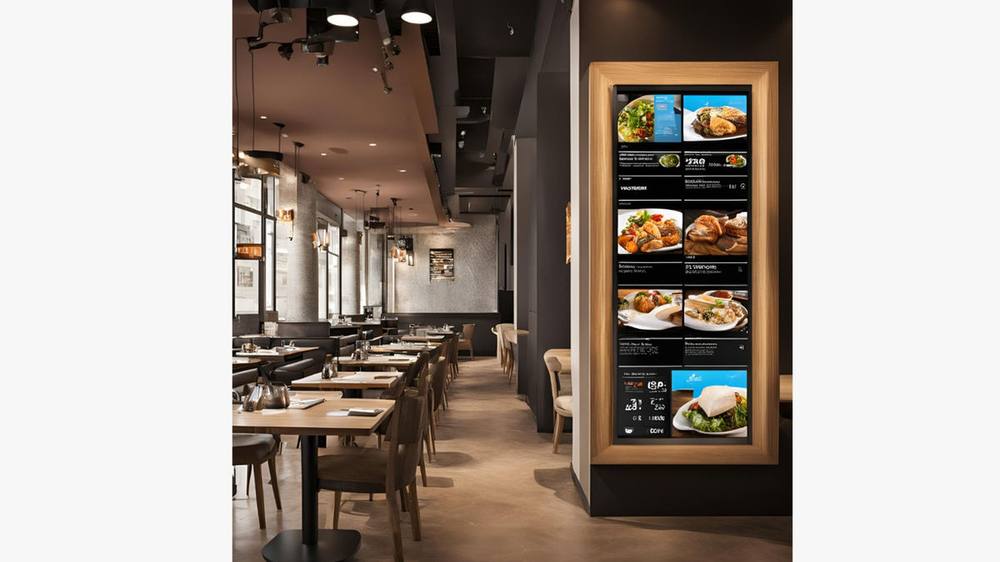

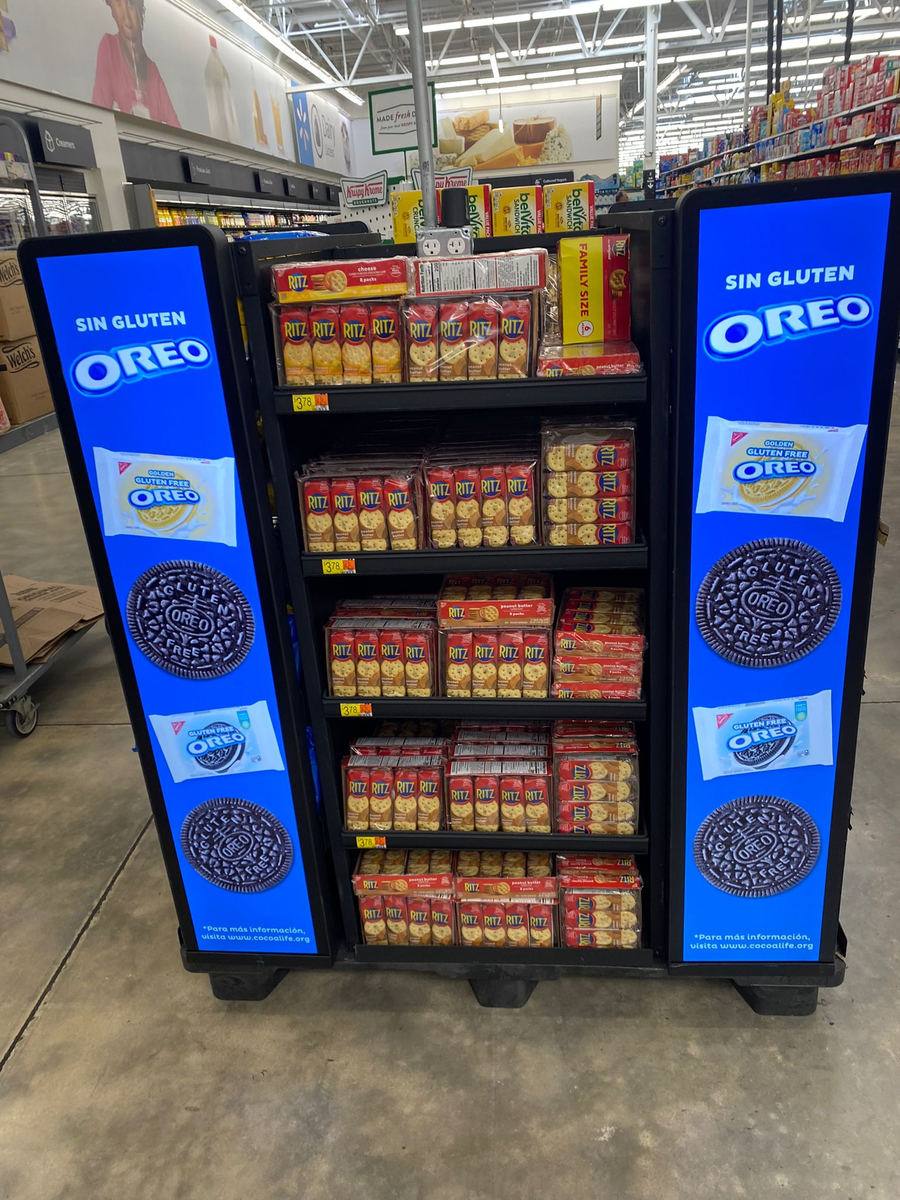
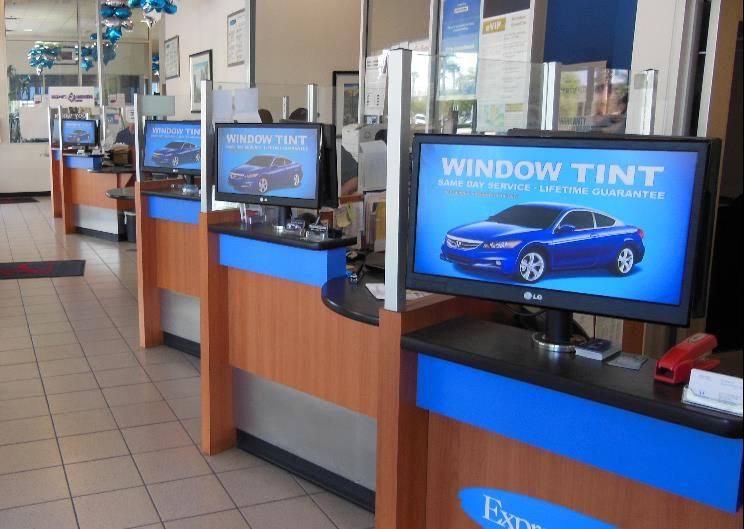

| Industry | Application | Benefits |
|---|---|---|
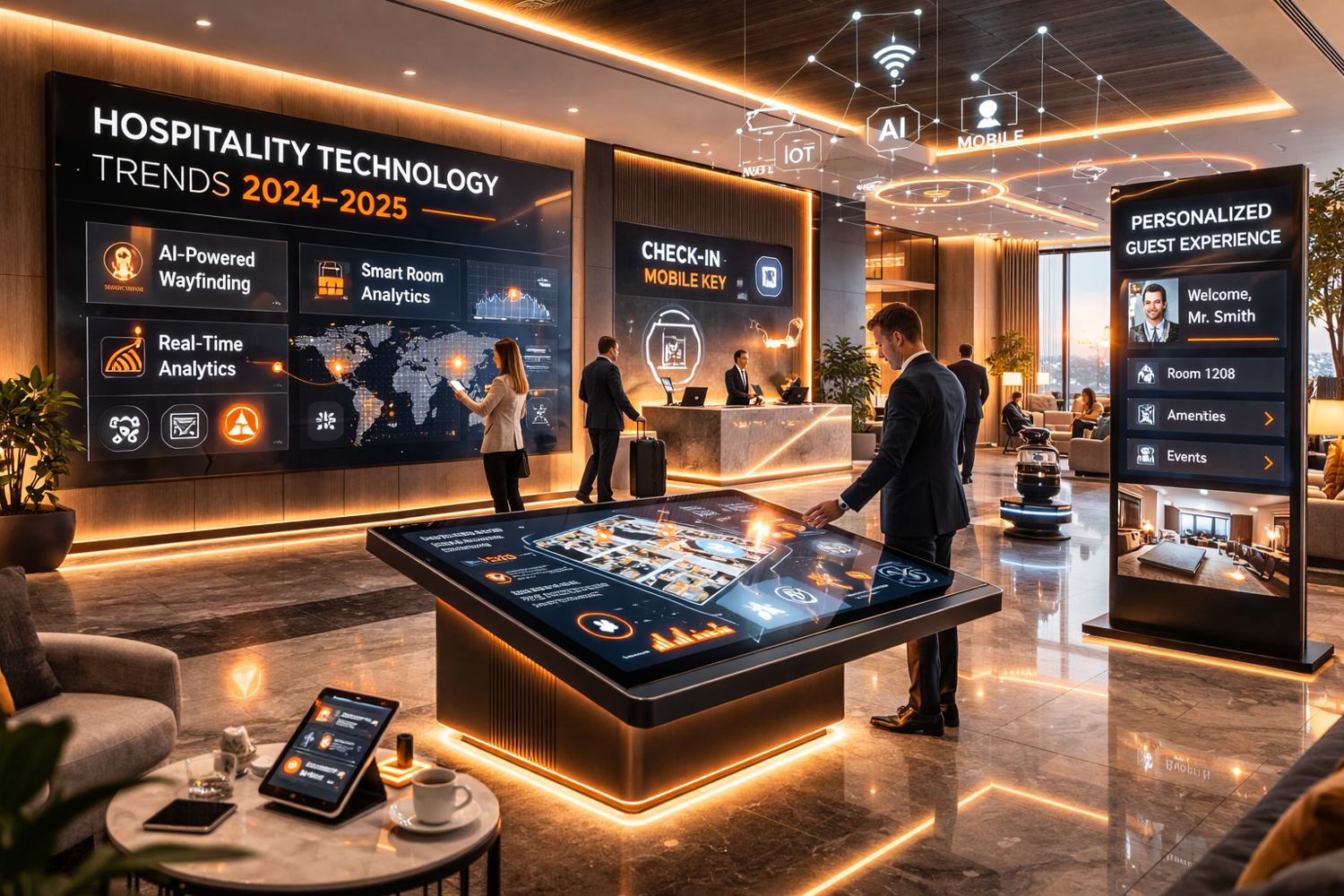
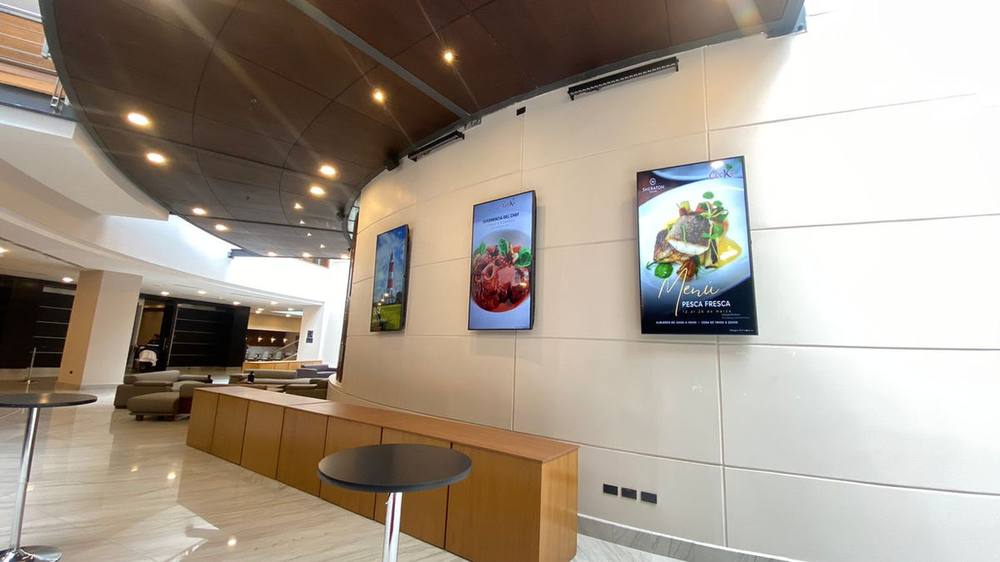
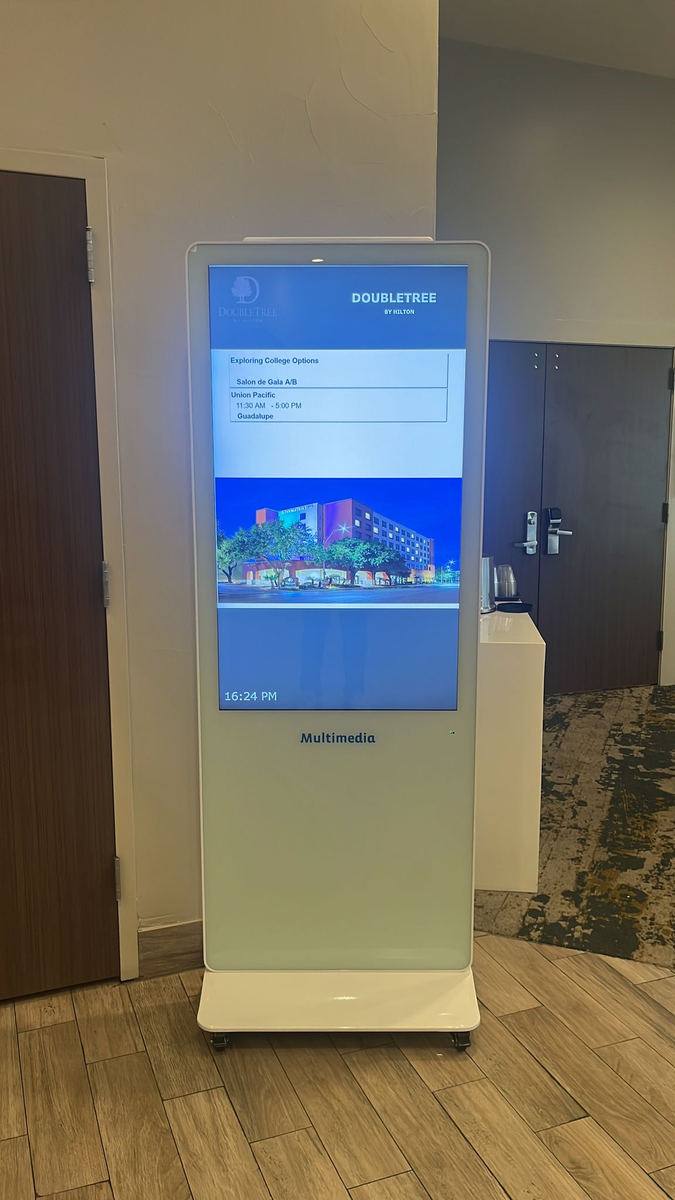
| Hospitality | Digital signage in hospitality improves the guest experience and operational efficiency. It provides real-time information, welcomes guests, offers directions, shows personalized information and services in rooms, and keeps guests informed about services, news and entertainment in common areas. | A better guest experience through real-time, personalized information and promotions, leading to higher satisfaction and more revenue through effective communication and streamlined operations. |
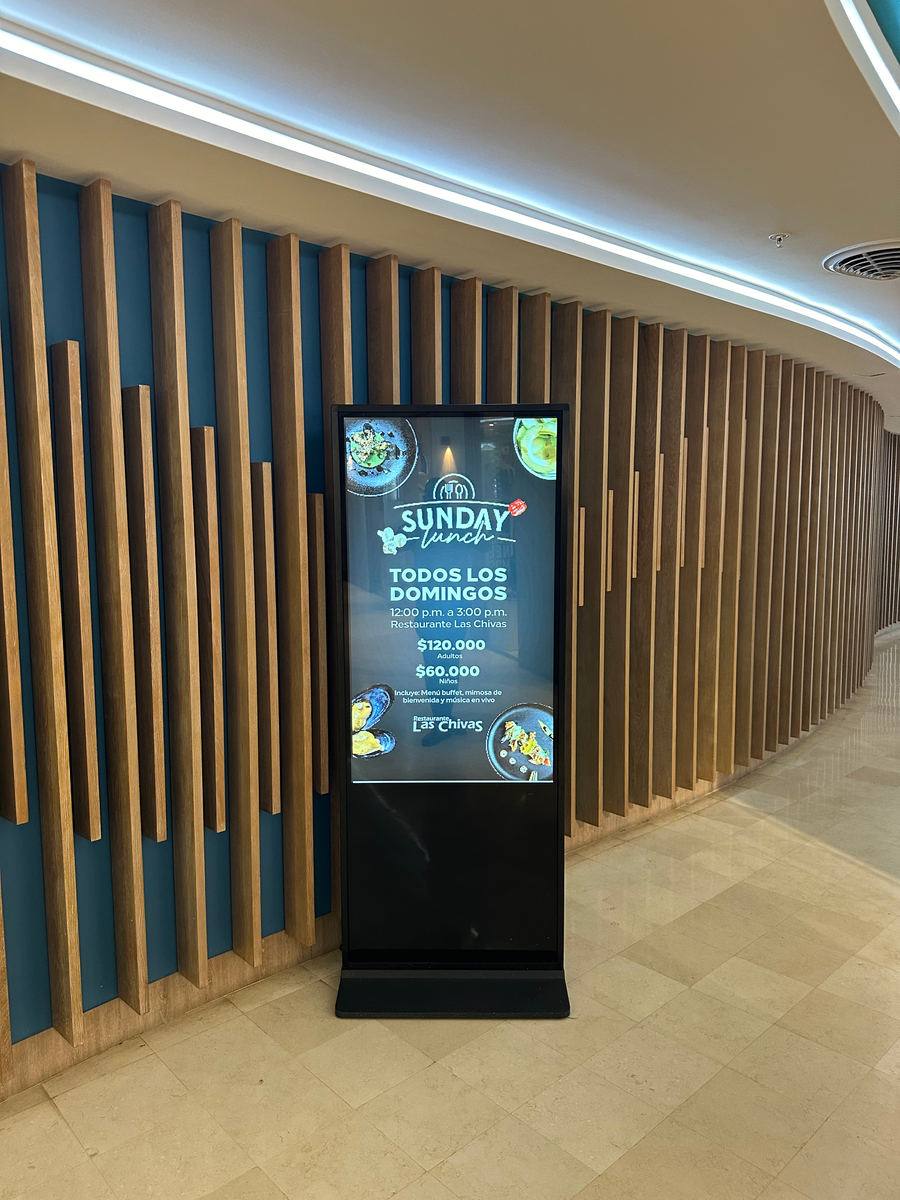
| Restaurants | Digital menus in restaurants make it easier to update prices and products and to include attractive visual elements. | Faster menu updates, lower operating costs and a better customer experience. |
| Retail | Stores use digital displays to show real-time promotions and personalized ads based on the time of day or the store location. | Higher sales, better customer engagement and stronger brand awareness. |
| Car dealerships | Car dealerships use digital signage to show real-time pricing, vehicle details and promotions, creating an engaging and informative shopping experience. | Higher sales, better customer satisfaction and a stronger brand image. |
| Stores and shopping malls | Shopping malls and stores use digital signage for wayfinding, directories, promotional content and interactive experiences that improve the shopping journey. | More foot traffic, higher sales conversion rates and better customer engagement. |
How to implement digital signage step by step
A successful digital signage strategy requires careful planning and execution. Here is a step-by-step guide to help businesses integrate digital signage into their operations effectively:
1. Define objectives
Clearly define what you want to achieve with digital signage, such as increasing sales, improving the customer experience or promoting specific products or services. This will guide your content strategy and help you measure the results.
2. Choose hardware and software
Research and select the hardware (displays, media players, etc.) and software (content management system) that best fit your business needs, budget and scalability requirements.
3. Develop a content strategy
Design a content strategy aligned with your objectives, target audience and brand identity. Consider visual elements, text, interactivity and scheduling to keep your content fresh and engaging.
4. Installation and implementation
Plan the installation and implementation carefully: make sure displays are placed correctly, integrate them with existing systems and train the staff who will manage the content.
5. Monitor and adjust
Continuously monitor how your displays perform, track key metrics and adjust content and strategy as needed to improve effectiveness and reach your objectives.
Common challenges and how to overcome them
Although digital signage offers many benefits, businesses may face some challenges during implementation and day-to-day management. Here are the most common ones and strategies to overcome them:
Initial investment
The initial cost of hardware, software and installation can be a barrier for some businesses. However, it is important to consider the long-term return on investment (ROI) and the potential for higher sales, better customer experiences and greater operational efficiency.
Content management
Keeping content fresh, relevant and engaging can be a challenge. Set up a dedicated team or use content management tools to streamline the process and ensure consistent updates.
Technical issues
Hardware or software problems may occasionally cause downtime or disruptions. Put a complete maintenance plan in place and set up technical support channels to solve issues quickly.
Integration challenges
Integrating digital signage with existing systems or technologies may require additional resources and expertise. Plan ahead and consult professionals to ensure a smooth integration.