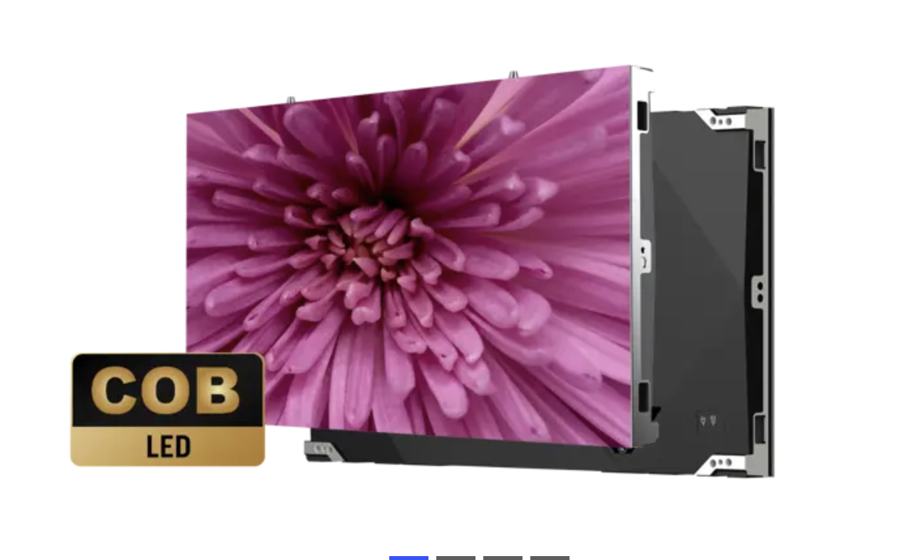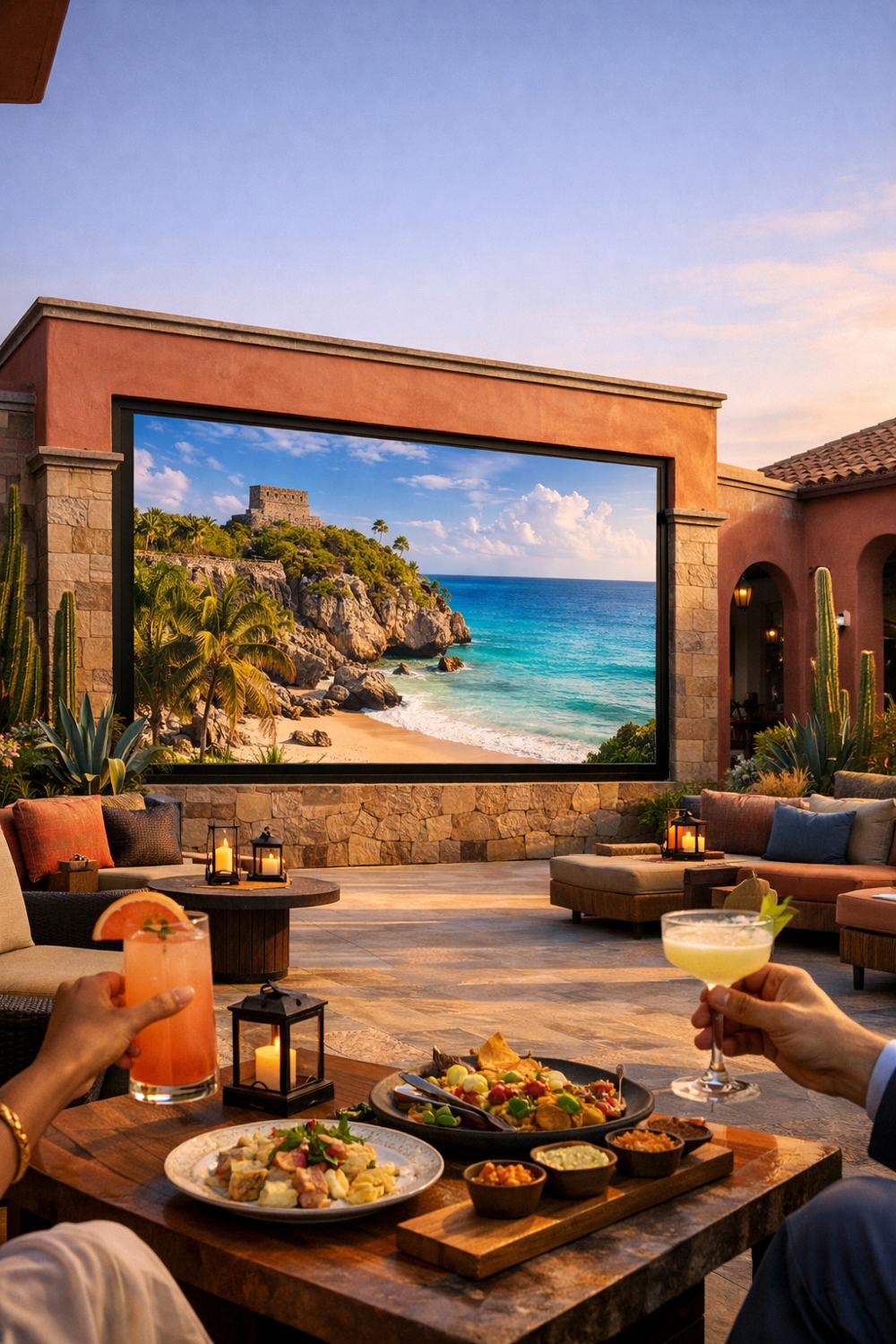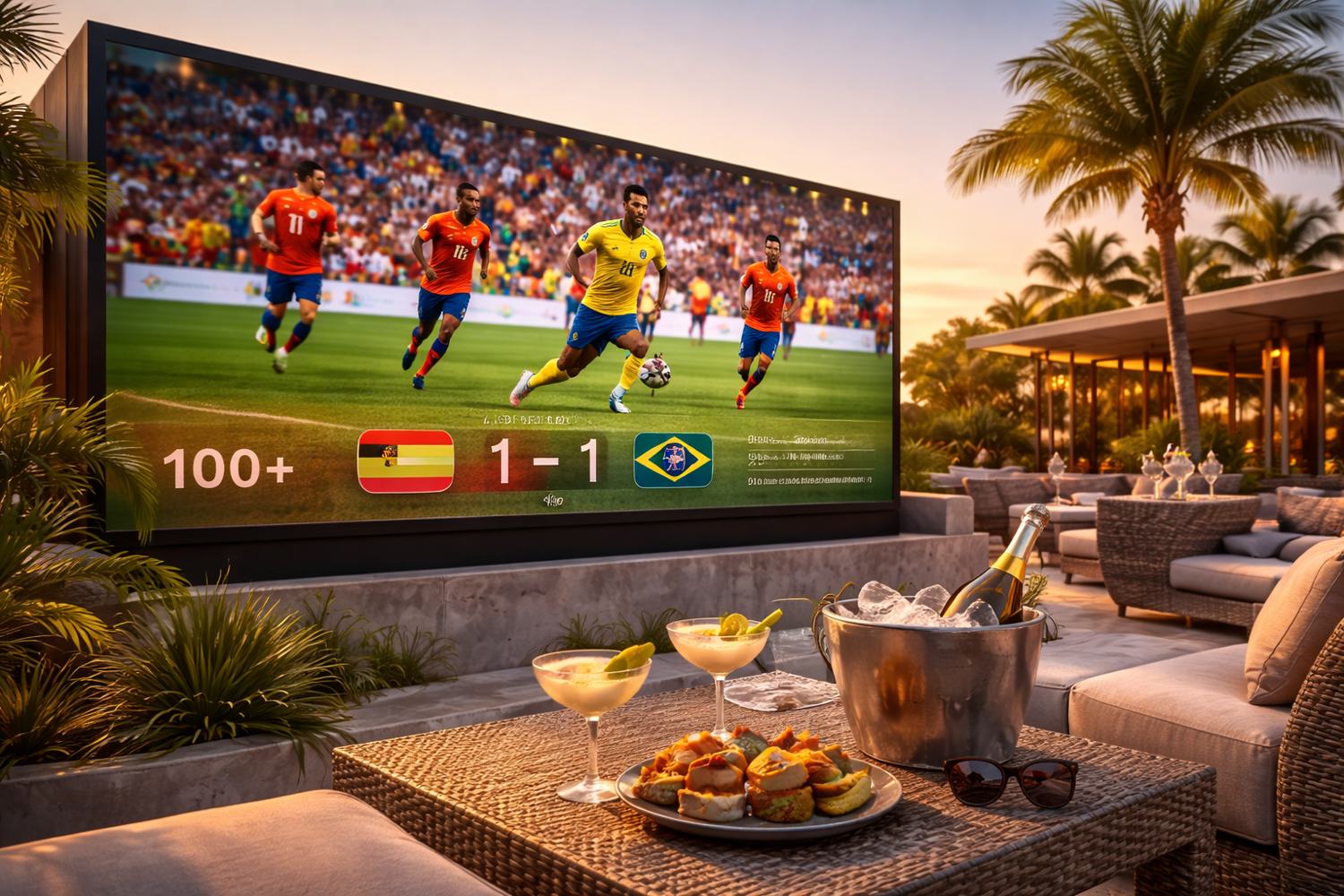
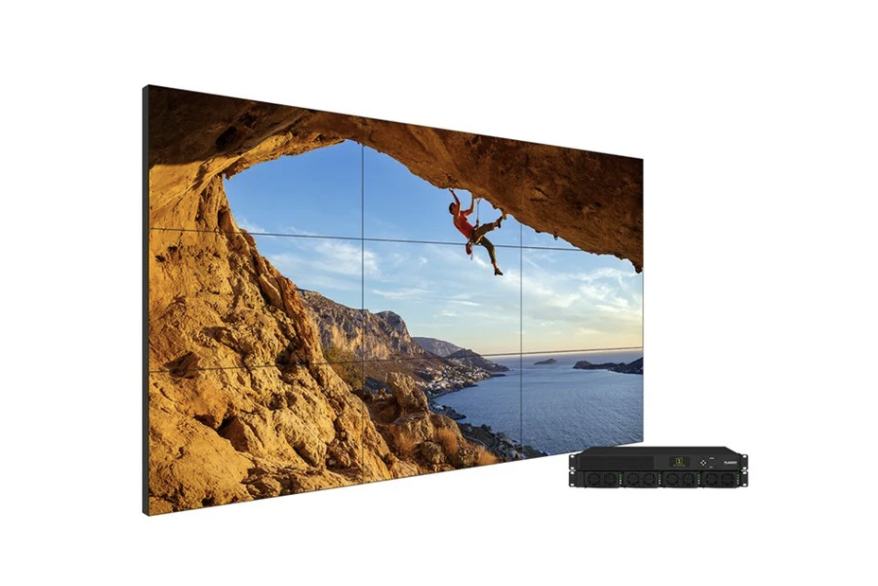
Digital marketing is evolving faster than ever. In 2025, LED screens are no longer optional. They are becoming one of the most powerful tools for businesses of all sizes. From restaurants to retail stores, gyms and shopping malls, LED displays are transforming how brands communicate with customers.
Unlike traditional advertising, LED screens deliver instant updates, engaging visuals and real-time interaction, while remaining cost-effective in the long run.
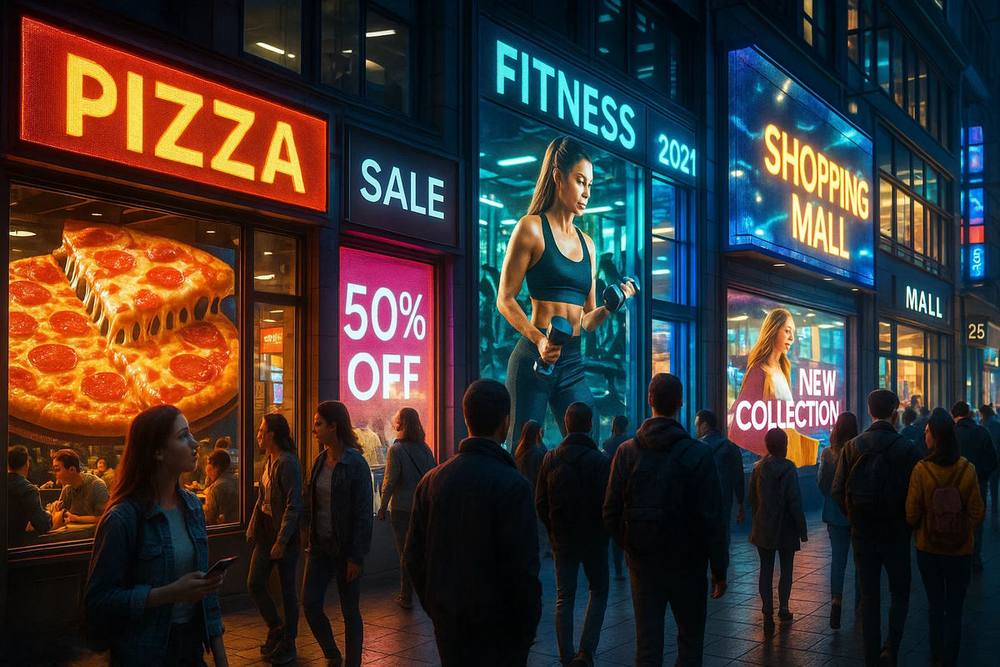
The rise of LED screens in modern marketing
Why LED screens are the future
According to Allied Market Research, the global digital signage market is projected to reach $35 billion by 2026, growing at a CAGR of 7.6%. By 2026, 70% of physical businesses are expected to adopt LED screens as a core part of their marketing strategy.
This shift is driven by:
- Customer expectations of dynamic, interactive experiences.
- The declining effectiveness of static ads.
- More accessible LED technology, with lower costs and higher quality.
Benefits of LED screens for businesses
1. Instant content updates
LED screens let businesses update promotions in real time, which is ideal for flash sales, special events or last-minute changes.
2. Higher engagement
Nielsen found that messages on digital screens are remembered 47% more effectively than static posters. That means higher recall and stronger brand connections.
3. Long-term cost-effectiveness
Although the initial investment is higher, LED screens reduce printing costs, waste and logistics, so they pay for themselves over time.
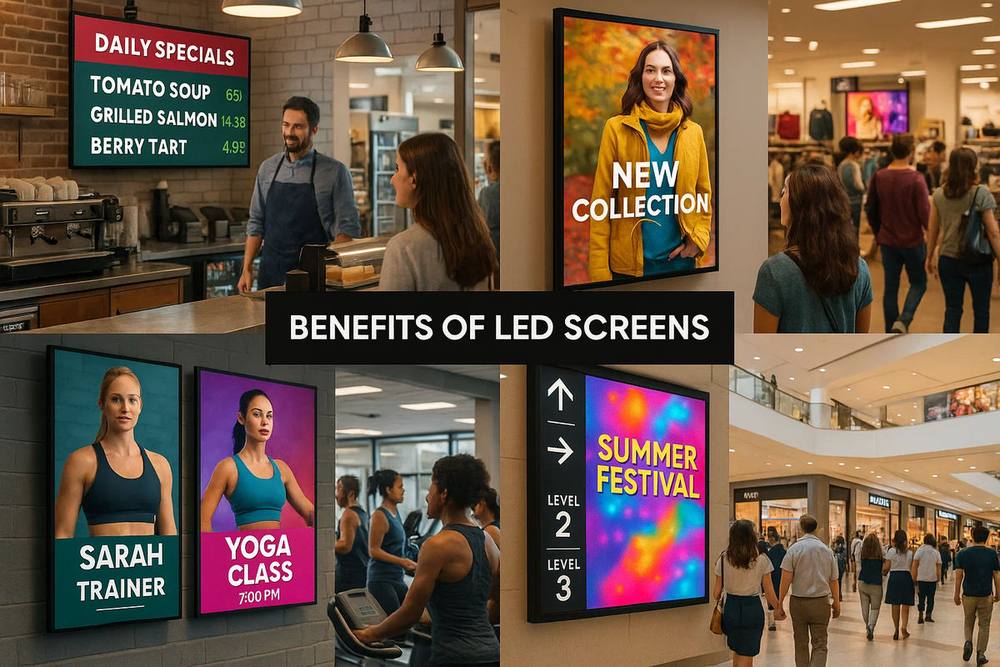
4. Flexibility across industries
- Restaurants: highlight daily specials or menu updates.
- Gyms: promote classes, trainers or health challenges.
- Retail stores: showcase seasonal campaigns and new arrivals.
- Shopping malls: use them for wayfinding, promotions or event announcements.
Real-world examples and case studies
Asia: immersive experiences in Tokyo and Seoul
At Shibuya Crossing (Tokyo) and the Gangnam District (Seoul), LED billboards have become landmarks, driving tourism and boosting local businesses.
United States: Miami shopping centers
In Miami, large-format LED screens are revitalizing commercial districts. A Statista study found that retailers using LED signage saw up to 30% sales growth thanks to better customer interaction.
Europe: fashion retailers in Paris and Milan
Luxury brands use LED screens to broadcast live runway shows in their flagship stores, turning shopping into a multimedia brand experience.
Trends for 2025 and beyond
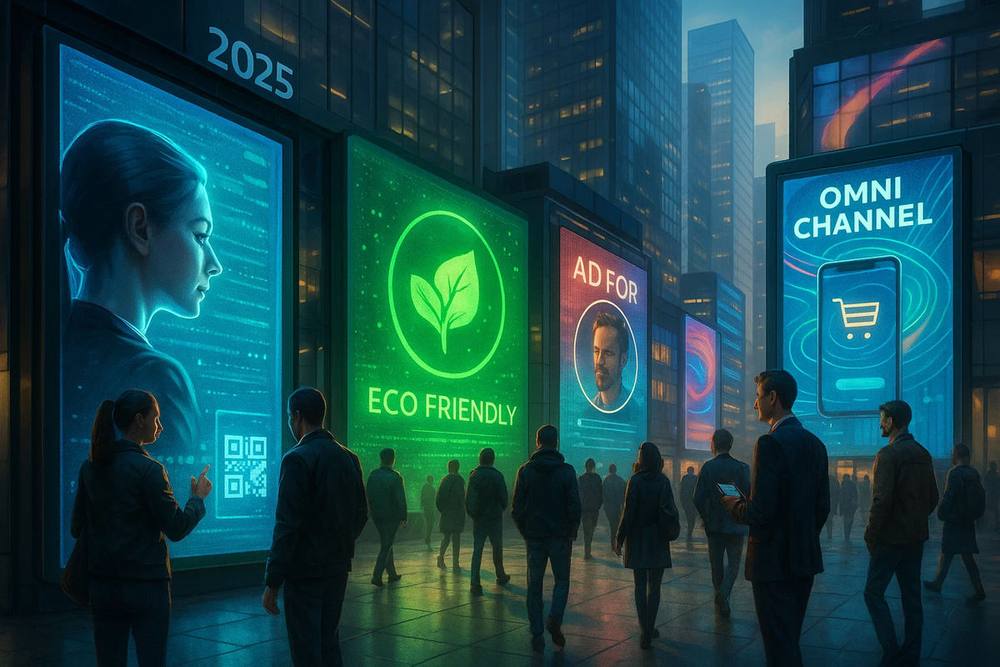
- Interactive content: touchscreens and QR codes for direct engagement.
- AI integration: personalized ads based on customer data.
- Green technology: energy-efficient LED panels aligned with sustainability goals.
- Hybrid experiences: physical screens combined with digital campaigns for omnichannel impact.
Frequently asked questions
Are LED screens expensive?
The upfront cost is higher than posters, but they save money in the long term by eliminating printing costs and boosting ROI.
Do LED screens work outdoors?
Yes. Modern LED panels are weather-resistant and built for both indoor and outdoor environments.
Can small businesses benefit?
Absolutely. From small restaurants to local gyms, LED screens are scalable and adapt to different budgets.
How do LED screens improve sales?
By capturing attention with motion and color, they increase dwell time, brand recall and, ultimately, conversions.
Ready to take your marketing strategy to the next level? Contact us today to discover how LED screens can transform your business in 2025 and beyond.
References: https://www.nielsen.com/ and https://www.statista.com/